
For years, fintech was the clearest expression of Africa’s startup opportunity. The continent has millions of people and small businesses underserved by traditional financial institutions. Digital payments, wallets and lending platforms gave founders a clear problem, a growing market and a story investors could understand.
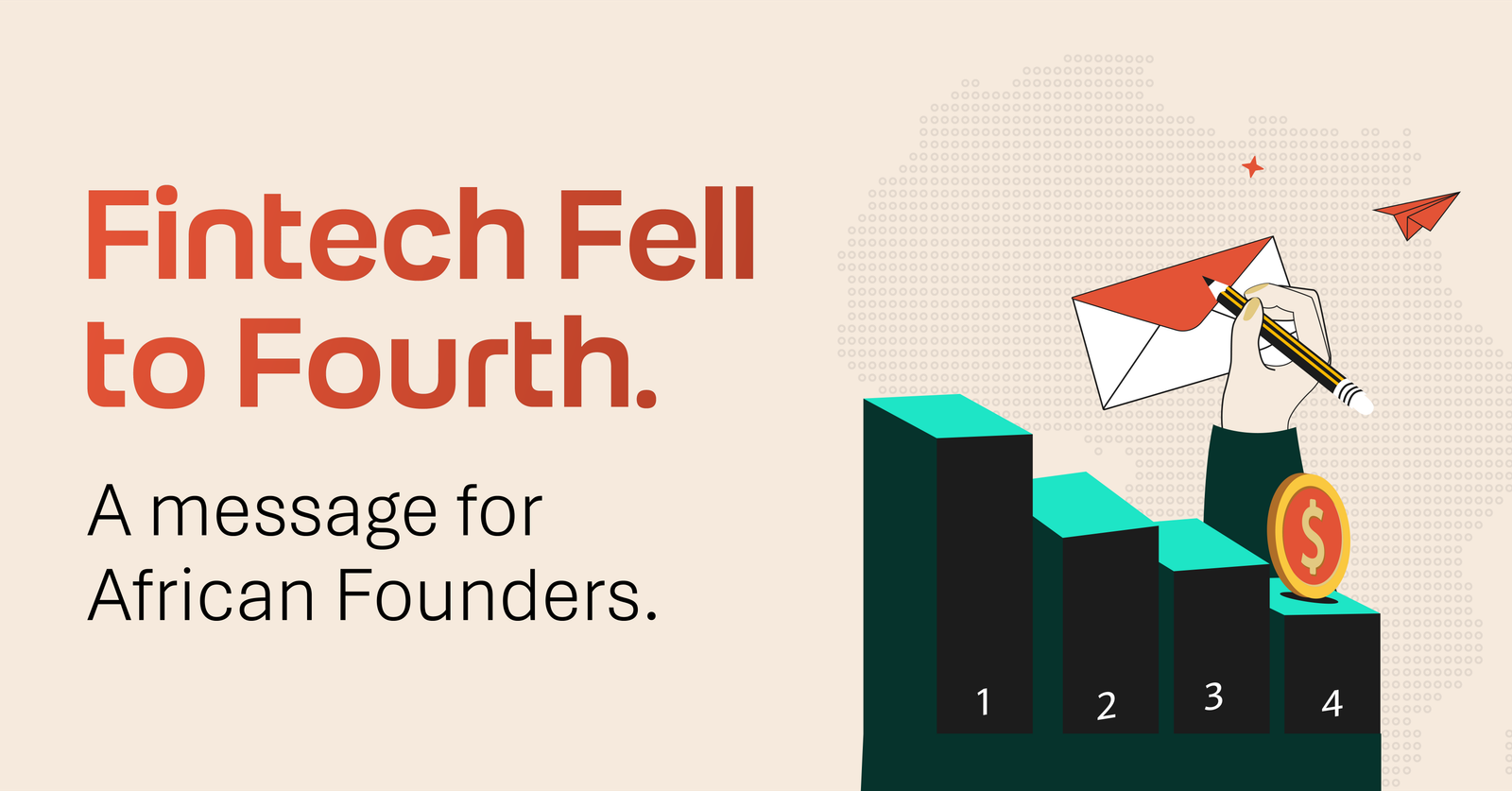
Then, in February 2026, fintech fell to fourth place in Africa’s startup funding rankings.
For a sector that led the continent in 2024 and 2025, that may sound like a warning. It may actually signal that Africa’s startup ecosystem is becoming broader and more mature.
The money did not disappear. It moved.
In the first two months of 2026, African startups raised about $575 million across 58 deals. In February, logistics and transport attracted more funding than fintech. Energy and water followed, while agritech also moved ahead (TechCabal Insights 2026).
At first glance, these sectors may appear unrelated. But look more closely, and a pattern begins to emerge. They are connected by the same question: What does it cost to live, produce and do business in Africa?
Imagine a small food distributor in Lagos, Kinshasa or Luanda.
Every morning, she buys fresh produce from farmers and supplies restaurants, supermarkets and neighbourhood retailers. Her business sounds simple: buy, move, store and sell. But each step carries a cost imposed by a broken system.
Unreliable electricity means she must run a generator to keep produce cold. Rising diesel costs reduce her margins.
Poor roads and fragmented transport networks delay deliveries. Traffic and vehicle breakdowns increase the cost of getting goods to customers.
When deliveries are delayed, some of the produce spoils before it can be sold. Her customers may pay late, but affordable working capital is difficult to access. She must still pay farmers, drivers and employees before receiving payment herself.
One business. Several problems: energy, logistics, agriculture and finance.
This is why the movement of capital across sectors matters.
Investors are beginning to recognise that Africa’s biggest startup opportunities may not fit neatly into industry categories. They sit at the points where everyday economic systems fail.
A logistics startup may appear to be improving deliveries, but it could also be reducing food waste, protecting retailers’ margins and helping manufacturers reach more customers. An energy business may provide solar systems or battery storage, but its greater value lies in helping businesses reduce fuel costs, preserve stock, and operate with greater predictability.
This does not mean fintech is fading. The financial gaps that created Africa’s fintech opportunity remain wide. Small businesses still struggle to access affordable credit. Cross-border payments remain difficult. Insurance penetration is low, and many enterprises still operate outside formal financial systems.
What is changing is the standard.
The next generation of fintech companies will need to demonstrate more than user growth and transaction volume. Investors will increasingly examine revenue quality, compliance, credit performance, risk management and the ability to solve a clear financial problem at scale.
Fintech is maturing while capital broadens into adjacent sectors.
For founders, the lesson is not to copy the last company to raise funding or to search for the next fashionable sector. The more useful question is: Which costly problem can I solve across markets and prove customers will pay for?
Africa’s next breakout startup may not begin by creating a new consumer habit. It may begin with an old problem Africans have paid too much to live with.
The funding is moving towards those problems.
So, dear founder, find the problem worth solving.