

The Venezuela Shock: What the U.S. Intervention Means for African Oil Producers
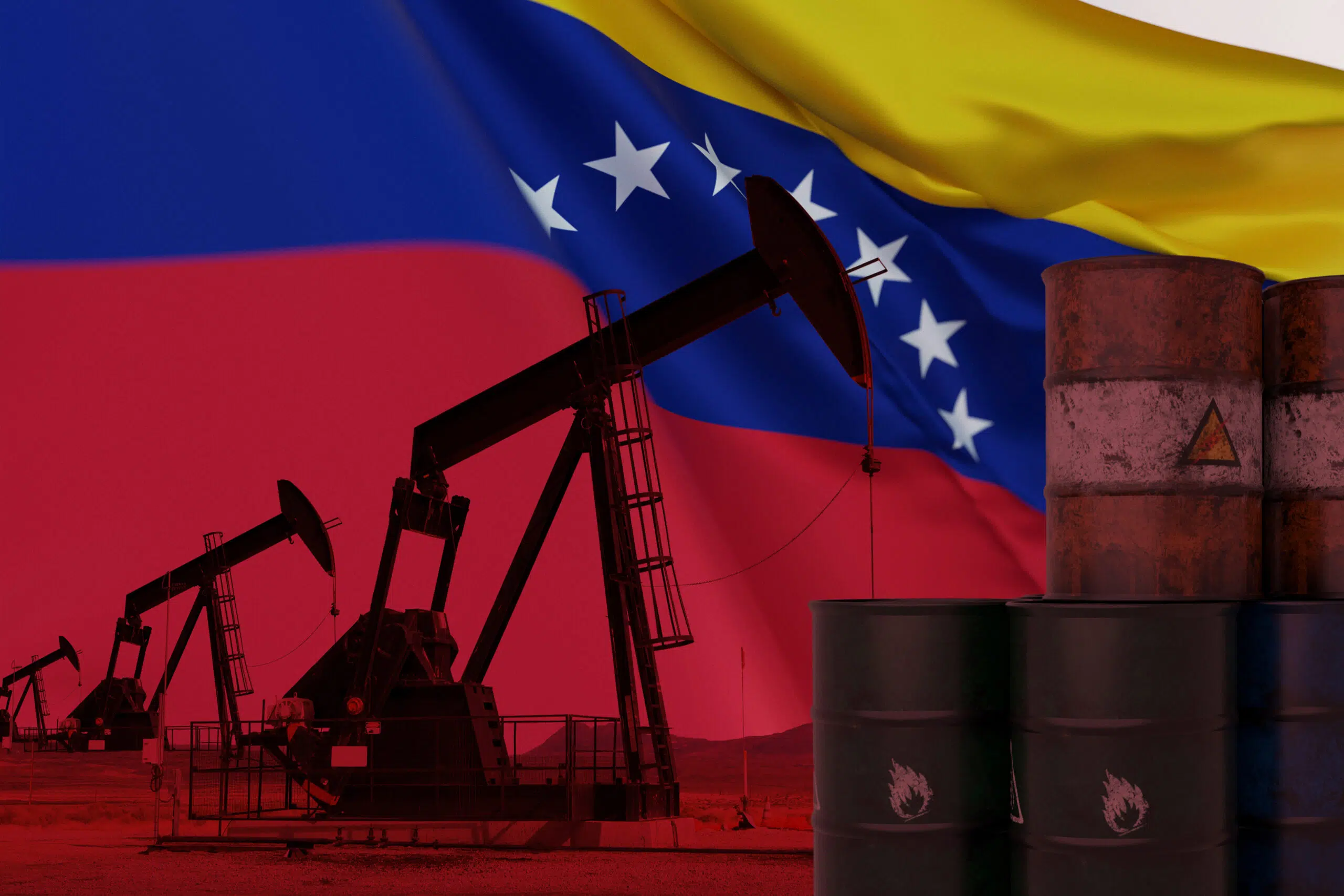
On January 3, 2026, the global geopolitical landscape shifted dramatically when the United States executed a major security operation in Venezuela, resulting in the detention of President Nicolás Maduro. Framed by the U.S. administration as a law-enforcement measure to oversee a “safe, proper, and judicious transition,” the intervention struck at the heart of the nation boasting the world’s largest proven crude oil reserves.
Yet, for African oil-dependent economies anticipating a geopolitical price windfall, the market’s reaction delivered a harsh reality check. The era of guaranteed oil spikes following geopolitical disruptions is over.
The Market Reaction: Why Geopolitics Didn’t Trigger a Price Spike
Venezuela holds an estimated 303 billion barrels of oil, accounting for roughly 17% of global reserves. Historically, a sudden regime change in a petro-state of this magnitude would trigger massive market volatility. However, Brent crude remained largely static, trading between $60 and $61 per barrel in the first week of January 2026.
This muted response is rooted in structural market realities. Years of sanctions, underinvestment, and decaying infrastructure had already crippled Venezuela’s output, dropping it from historical peaks of 3.5 million barrels per day (bpd) to just 0.8–1.1 million bpd before the intervention. Markets had already priced in this constrained production. Furthermore, surplus capacity within OPEC and robust global inventories quickly absorbed any shockwaves, keeping prices flat.
Fiscal Stress Tests: African Producers at $60 Oil.
While market stability is a win for global inflation, it acts as a severe fiscal stress test for African crude exporters. Current price levels fall dangerously short of the budgetary breakeven points for the continent’s major producers.
- Nigeria: The 2026 federal budget is anchored on a $64.85 per barrel benchmark. At the current $60–$61 levels, revenue projections are severely threatened. LEAF estimates that every $1 decline below the benchmark erodes annual oil revenue by $2 billion to $3 billion (₦1.5 trillion to ₦2 trillion), significantly widening the fiscal deficit and forcing aggressive domestic borrowing.
- Angola: Highly exposed to price volatility, Angola’s fiscal breakeven price sits near $75 per barrel. Compounding this pressure, nearly 46% of the nation’s 2026 budget is swallowed by debt servicing, leaving the government virtually no macroeconomic buffer to absorb revenue shortfalls.
- Algeria: The pressures in North Africa are acute. While Algeria’s 2026 budget officially assumes a $60 benchmark, the International Monetary Fund (IMF) estimates the country actually requires oil at $119 per barrel to balance its budget. Facing a planned expenditure of $135 billion and a projected $40 billion deficit, Algeria will be forced to deplete sovereign savings or accelerate borrowing.
- Libya: Lacking a unified national budget and relying on oil for 98% of government revenue, Libya remains uniquely vulnerable. Even marginal price declines immediately translate into sovereign fiscal stress.
Long-Term Structural Risks for the Continent
Beyond immediate budgetary shortfalls, a U.S.-backed transition in Venezuela introduces severe long-term risks. A stabilized, recapitalized Venezuelan oil sector could eventually unleash massive new supply into the global market, exerting sustained downward pressure on prices. African producers must now plan for an environment defined by prolonged market uncertainty and structurally lower long-term yields, rather than relying on short-lived geopolitical supply shocks.
Implications for Stakeholders
- Policymakers: Geopolitical crises no longer guarantee revenue windfalls. Governments must aggressively revise budget assumptions downward, strengthen fiscal buffers, and accelerate non-oil economic diversification. Maintaining political stability and adherence to international norms is non-negotiable for retaining foreign direct investment (FDI).
- Investors: With Brent expected to average $55–$65 per barrel in 2026, sustained price surges are unlikely. However, African light-sweet crudes remain highly competitive. Disruption in Venezuelan exports offers near-term opportunities to capture displaced market share in Asia and the Atlantic Basin. Furthermore, large-scale domestic refining—spearheaded by Nigeria’s 650,000 bpd Dangote Refinery—provides a stable internal market, shifting the focus from raw export to value-added regional trade.
- Entrepreneurs: Tighter sovereign revenues translate directly into slower public spending, delayed government payouts, and higher sovereign borrowing (which crowds out private credit). SMEs heavily reliant on public contracts must pivot immediately. Survival and growth will belong to operators focused on private demand, regional B2B trade, and export-oriented business models.
The 2026 Venezuela intervention proved that global oil markets have built robust defenses against geopolitical shocks. For Africa’s oil-dependent economies, the message is unequivocal: the crutch of high oil prices has been removed. While low-cost producers and domestic refining offer distinct advantages, navigating the coming decade requires aggressive diversification, conservative fiscal planning, and a pivot toward intra-African trade.
US-Iran Peace Deal: Africa’s Economic Test
The U.S.-Iran peace framework matters for Africa not because it resolves the continent’s structural vulnerabilities, but because it temporarily reprices several global risks to which African economies are…
Continue reading
Share a market signal, question, or useful perspective. You can respond to the article as a whole, or use the "Discuss this section" buttons beside key points to add context.
The discussion space is open. Add a clear observation, a question worth exploring, or a field signal that could help other readers think more sharply.